

 5 min read


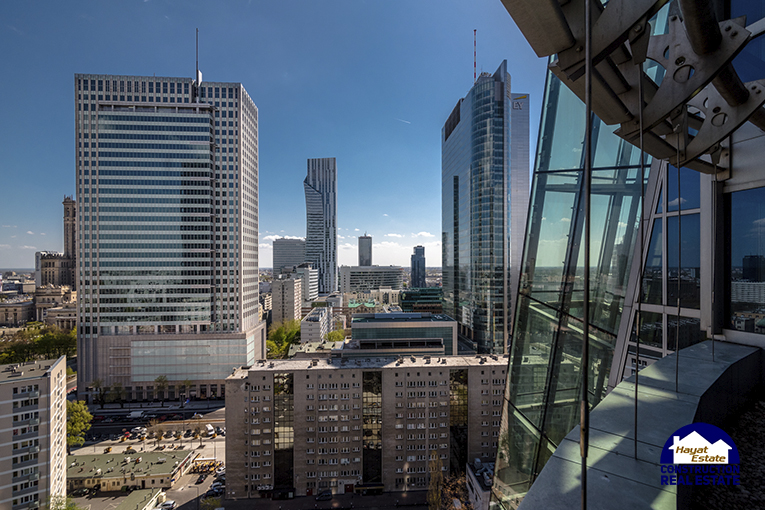
If you have decided to buy an apartment in Poland, Warsaw is the most logical choice for relocation. The capital is the country's main business, financial, cultural, and administrative hub, which is why property demand here remains high among investors, tenants, freelancers, and families applying for a residence permit.
Apartment prices here depend on location, district prestige, infrastructure, transport accessibility, building type, general vibe, and safety, so they vary significantly from district to district.
Below, we take a closer look at Warsaw's best districts, estimated housing prices, and key selection criteria based on different goals (investment, living, relocation, or rental).
Administrative and Territorial Division of Warsaw
Warsaw is a large city covering an area of 517 km², divided into 18 administrative districts (*dzielnice*). They differ in building character, infrastructure, and quality of life. Some areas feature predominantly older housing stock, while others are seeing active development of new residential complexes.
Here is an overview of the districts and their official Polish names:
- Bielany — a northern district with universities, large green spaces, and residential quarters;
- Bemowo — a rapidly developing district with modern housing, well-kept parks, and growing transport access;
- Białołęka — one of the capital's actively expanding industrial districts featuring a large number of new residential developments;
- Wawer — a green, spacious district on the right bank of the Vistula River;
- Wesoła — a newer district known for its quiet atmosphere and low-rise developments;
- Wilanów — a prestigious part of the capital with modern residential architecture and a historic palace complex;
- Włochy — a cozy mix of private single-family homes and apartment buildings away from city noise;
- Wola — a former industrial district now offering a wide range of comfortable housing and office buildings;
- Żoliborz — a small, green, and prestigious district near the city center with numerous historic and natural landmarks;
- Mokotów — the second most prestigious district in the capital;
- Ochota — a densely populated area with excellent transport links, parks, and historic architecture;
- Praga-Południe — a large district on the right bank of the Vistula with a diverse housing stock, serving as a historic part of Warsaw;
- Praga-Północ — a historic area with cultural spaces, parks, a zoo, and active revitalization in select neighborhoods;
- Rembertów — a green district with low development density;
- Śródmieście — the central and most prestigious district of the city;
- Targówek — a large residential district with rich cultural heritage and developed industry;
- Ursus — a compact western district with many new residential projects and the lowest crime rate;
- Ursynów — a large district with well-developed infrastructure, metro stations, and plenty of green spaces.
Warsaw District Ranking by Price and Prestige
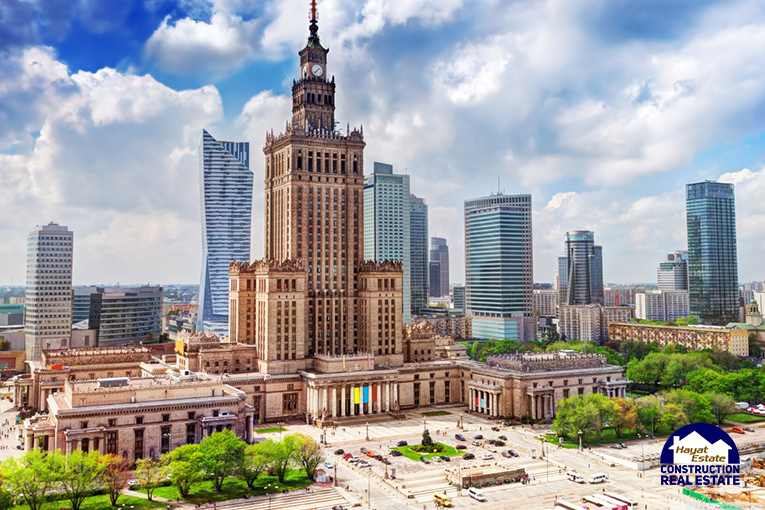
When ranking Warsaw's districts by real estate prices, central and prestigious locations consistently take top spots.
In 2026, the price per square meter continues to show a significant spread across different districts. According to Gratka data, the median property price in Warsaw is approximately PLN 17,150/m²: the primary market averages around PLN 16,757/m², while the secondary market stands at PLN 17,703/m². This means secondary market properties are roughly 5% more expensive on average than new builds.
| District | Estimated Average Price, PLN/m² | Brief Summary |
| Śródmieście | 24,000–28,000 | Ideal for investors and professionals who want to live close to their office and workplace. |
| Wola | 20,000–24,000 | Great for young adults, IT professionals, and investors. |
| Żoliborz | 21,000–25,000 | Suitable for families and those who appreciate quiet urban living. |
| Wilanów | 18,000–22,000 | For affluent families. Offers everything necessary for raising children. |
| Mokotów | 18,000–22,000 | For young professionals, families, foreign investors, and high-net-worth buyers. |
| Ursynów | 18,000–22,000 | Ideal for families with children. |
| Praga-Północ | 17,000–21,000 | Suited for young families and investors. |
| Ochota | 17,000–21,000 | For young specialists, students, and families. |
| Praga-Południe | 16,000–20,000 | A solid choice for investors, expats, and remote workers. |
| Bielany | 16,000–20,000 | Suitable for families with children. |
| Bemowo | 15,000–19,000 | Features numerous parks, kindergartens, schools, and sports facilities. Preferred by families with children and first-time buyers. |
| Włochy | 15,000–19,000 | A quiet, cozy district suitable for couples. |
| Targówek | 13,000–17,000 | For budget-conscious buyers and families. |
| Ursus | 13,000–17,000 | For buyers on a tighter budget. |
| Rembertów | 13,000–16,000 | For families with modest budgets, investors, and lovers of peace and quiet. |
| Białołęka | 13,000–16,000 | For families with kids looking for larger living space at an accessible price. |
| Wawer | 13,000–16,000 | For families with children and nature lovers seeking privacy. |
| Wesoła | 14,000–18,000 | For buyers looking to stay clear of urban noise. |
Prices across Warsaw show considerable variation even within a single district, so average figures should not be taken as exact prices.
Top 3 Best Districts in Warsaw
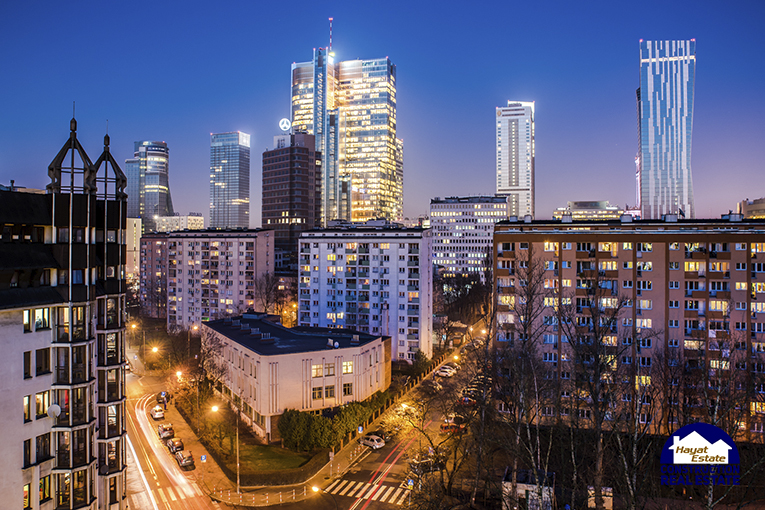
Based on market metrics, the highest average prices are concentrated in Śródmieście, Mokotów, and Ursynów. Their primary advantages include modern infrastructure, rich cultural heritage, and an abundance of recreational facilities.
Śródmieście
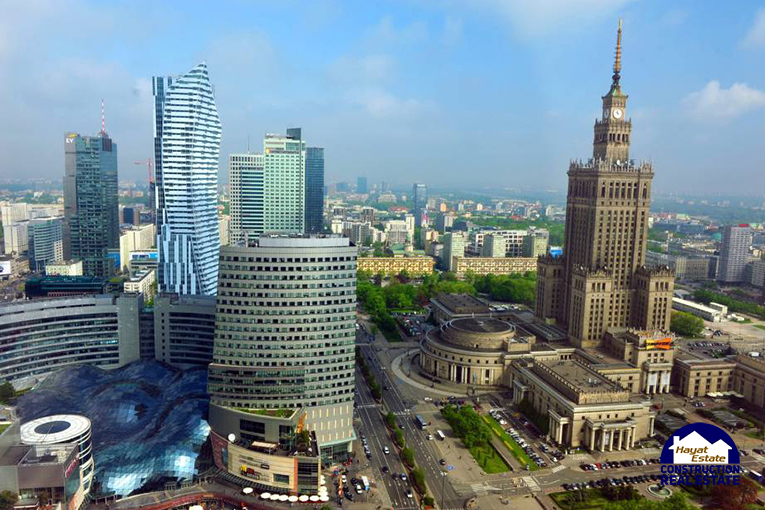
The most expensive district, home to approximately 120,000 residents. It forms the central core of Warsaw, featuring luxury real estate, high-end hotels, cultural landmarks, major transit hubs, universities, shopping streets, and modern office towers. Naturally, the city's most expensive apartments are located here. Real estate starts on average from PLN 24,000/m² upwards, with secondary market units selling for about 10% more than new primary developments.
For investors, Śródmieście offers strong liquidity and high rental demand. For owner-occupiers, it is selected by buyers who prioritize rapid access to major urban landmarks and amenities.
Mokotów
Holds a proud second place in prestige among Warsaw's districts and leads in population (over 225,000 residents), making it a versatile option for comfortable living. The area offers a dynamic lifestyle alongside rich leisure options. Square-meter prices start from PLN 18,000/m².
Ursynów
The third largest district, widely considered the best location for families with children. With a population approaching 150,000, its popularity stems from its proximity to forest reserves, abundant greenery, and comprehensive infrastructure. It remains a top choice for long-term living. Property prices start at PLN 18,000/m², supported by excellent transit connections to the rest of Warsaw.
Budget-Friendly Districts in Warsaw
Affordable housing in the Polish capital is one of the most frequent requests. A lower price tag does not imply poor living conditions. Certain districts of Warsaw offer very attractive options with a low entry barrier.
- Białołęka. An accessible location for buying an apartment. Active construction of new residential complexes is underway here, offering a wide selection of new builds. Drawbacks include longer commute times to the city center and occasional traffic congestion. The average apartment price here is PLN 14,200/m².
- Wawer. Characterized by low-rise residential buildings and single-family houses, with plenty of greenery and open spaces. It is a great choice for families with children and remote workers. The average market price starts from PLN 13,800/m².
- Rembertów. A safe, green district featuring relatively low apartment prices. Drawbacks include limited urban infrastructure compared to central areas and its peripheral location. The average property price is PLN 14,700/m².
Safety in Warsaw Districts
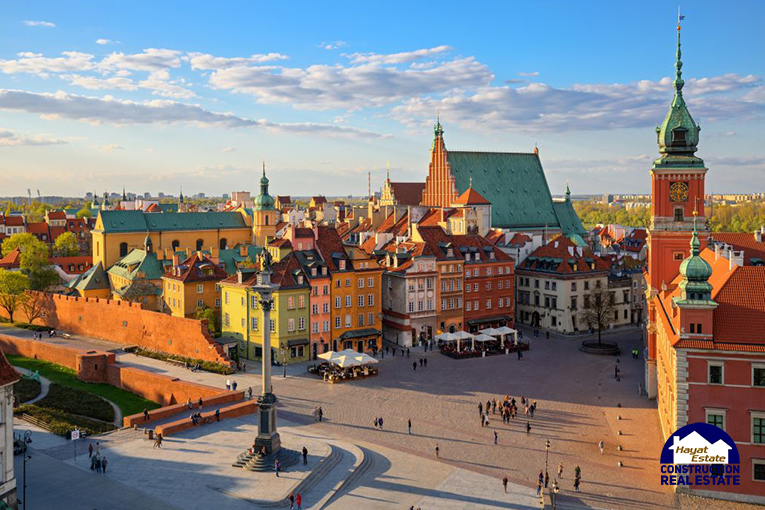
Safety is one of the crucial criteria when choosing where to purchase property, particularly for foreigners looking to relocate. In practice, Ursynów, Wilanów, Rembertów, and Żoliborz are regarded as the quietest and safest areas. These districts feature lower-density housing and fewer tourists, populated mainly by families, young office employees, and remote professionals.
In Śródmieście, it is advisable to keep an eye on personal belongings and carefully select your specific street or micro-neighborhood. Old stereotypes regarding safety in Wola and Praga-Północ also require update: Wola has transformed with modern residential towers, office hubs, and vibrant public spaces. Meanwhile, Praga-Północ still exhibits mixed conditions depending on the specific block, making it less recommended for family relocation.
When evaluating a purchase, focus on key indicators: evening activity levels, specific street locations, building quality, social infrastructure, and transit access to central Warsaw.
Renting an Apartment in Warsaw
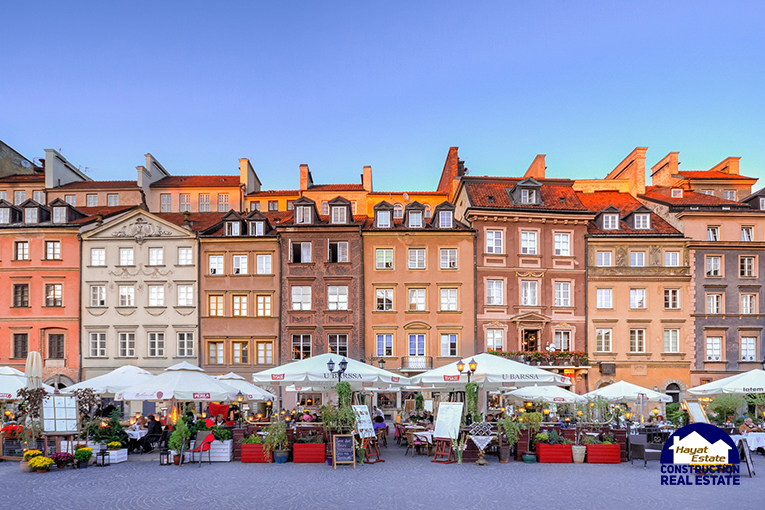
If purchasing property in Warsaw is not your immediate priority, the city provides plenty of options for long-term rentals.
Poland hosts many foreign workers and international students. Consequently, listings posted by landlords in English can sometimes carry rental prices noticeably higher than market rates.
Note that landlords typically require a security deposit (*kaucja*) equal to one month's rent, which is returned or applied to the final month of residency provided there is no damage. Real estate agencies charge commission fees ranging from 50% to 100% of one month's rent. Be mindful of unethical agents charging paid viewing fees; always verify contract terms in advance.
When searching for rental housing in Warsaw, working with reputable agencies that have verified reviews and proven track records is recommended.
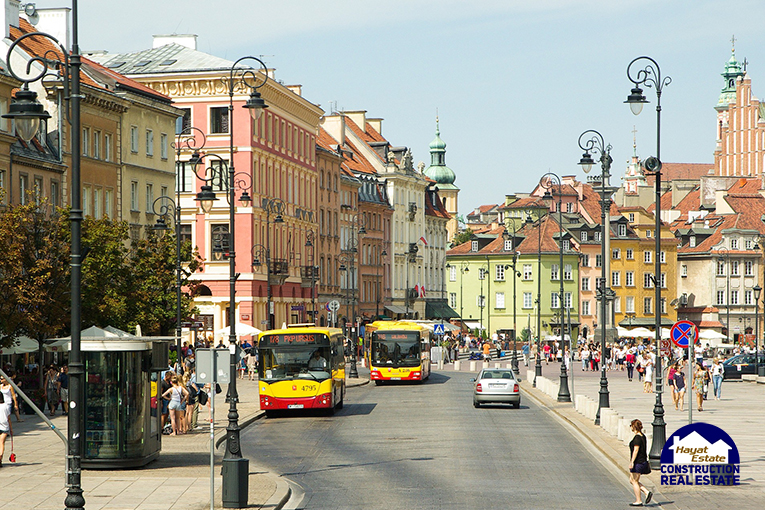
Warsaw's rental market appeals to those seeking comfort at reasonable prices (even with recent market adjustments). Quality options abound, and even in prestigious areas you can find decent rentals:
- Single rooms from PLN 1,300;
- Well-maintained studio apartments from PLN 2,500 – 3,500 per month;
- Two-room apartments from PLN 3,000 upwards.
Total costs depend on the specific district, property condition, and square footage.
Property Purchase and Polish Residence Permits (VNJ)
An essential point for international buyers: as of 2026, buying property in Poland does not automatically grant a foreign national a residence permit (*karta pobytu*).
To obtain residency, legal grounds are required — such as employment, marriage, business activity, education, or other official statuses. However, owning an apartment has practical value: applicants can easily prove secure accommodation without relying on third-party lease agreements.
Prior to completing a purchase, verify your legal status and check whether you require a permit from the Polish Ministry of the Interior to acquire real estate.
Choosing a District Based on Your Needs
Selecting the ideal district depends directly on your goals:
- For investment: Evaluate liquidity, proximity to the city center, universities, metro lines, public transit access, and rental demand (consider Śródmieście, Wola, Mokotów, Ochota, Praga-Południe, Ursynów);
- For family living: Look for kindergartens, schools, parks, medical facilities, convenient transit links, and a peaceful environment (consider Wilanów, Ursynów, Bielany, Żoliborz, Bemowo);
- For buy-to-let income: Prioritize tenant demand streams and strong transit nodes (Mokotów, Śródmieście, Wola, Ochota, Praga-Południe fit well, balancing yield against potential vacancy risk);
- For relocation and residency: Choose housing suited to your daily lifestyle while ensuring you hold valid legal grounds to apply for a residence permit.
FAQ. Frequently Asked Questions
Which district in Warsaw is considered the most prestigious?
Traditionally, the most prestigious areas feature luxury real estate, major business centers, and key cultural landmarks. In Warsaw, these include Śródmieście, Wilanów, Mokotów, and Żoliborz.
Which district is the safest?
While no single area is absolute, Ursynów, Wilanów, and Żoliborz are widely regarded as the most peaceful for family living. Always review the specific street, surrounding amenities, and immediate surroundings before purchasing.
How does buying real estate affect obtaining a residence permit in Warsaw?
Property ownership does not serve as a direct shortcut to a residence permit; however, owning property fulfills the requirement to prove a registered address and living accommodation.
To secure a permit, you must meet legal residence conditions such as employment, study, business ownership, or family reunification.
Where can you buy the cheapest apartments in Warsaw?
Relatively affordable average prices are found in Wawer, Białołęka, Targówek, Rembertów, and Ursus. Lower prices do not signify poor building standards, as these districts also host premium modern housing projects priced above local averages.
How much does an apartment in Warsaw cost in 2026?
Buyers can expect prices starting around PLN 13,000–16,000/m² in budget districts, reaching around PLN 25,000/m² in central or prime areas. The citywide average generally spans PLN 17,000–19,000/m² depending on market data sources and methodology.
Real estate across Warsaw's districts varies considerably, meaning price per square meter should not be your sole decision factor. The best approach before buying is to compare districts based on metro access, infrastructure quality, building condition, future growth potential, and primary vs. secondary market types.
Śródmieście, Żoliborz, and Mokotów attract those who value central positioning and prestige. Wola is preferred by real estate investors and tech professionals.
Ursus, Białołęka, Targówek, and Wawer stand out as top choices when working with a constrained purchase budget.
In 2026, Ursynów remains Warsaw's most balanced and practical district. It offers everything required for comfortable living: fully developed social infrastructure, metro stations, a family-friendly environment, a wide range of housing options across budget levels, and strong appeal for expats and relocators.
To make an informed decision, compare several properties directly to find the ideal fit for you and your family.