

 5 min read


In 2026, Dubai and Abu Dhabi remain among the largest investment markets in the UAE. However, while investors used to choose Dubai property without a second thought, today these two destinations differ in their advantages, price growth rates, returns, and investment risks.
The choice of where to direct UAE investments in 2026 depends on the investor's goals: earning steady rental income, achieving long-term capital growth, or preserving assets.
Let's break down where it's more profitable to buy property by comparing district development, property prices, and factors affecting investment returns.
Dubai market analysis in 2026
Dubai is the most active property market in the UAE in terms of the number of deals with foreign investors. Brief price fluctuations for properties in the first half of the year, caused by geopolitical tension in the Middle East, temporarily reduced investor activity, but this had almost no effect on liquidity. Steady demand is currently sustained by population growth, a stable year-round tourist flow, and active growth in international business.
Dubai remains in demand thanks to the returns on residential property: by choosing this location, an investor can count on both rental income and rising asset value.
Average market figures and trends in 2026:
- short-term rentals bring up to 8–11% annually with proper property management;
- Dubai's ROI on long-term rentals is 6–8% per year;
- the average property price in popular districts starts from 18,000 AED per sqm (about $4,900), while in the premium segment it can exceed 50,000 AED per sqm (about $13,600).
Which Dubai districts are in demand among investors?
Property buyers in Dubai choose locations with developed infrastructure, high liquidity, and demand among tenants.
- Dubai Marina. A popular district for short-term rentals among tourists. It's located close to the coast, with all the necessary infrastructure.
- Business Bay. A business hub with high rental demand among employees of international companies and expats.
- Dubai Hills Estate. A modern location suited for families with children. It has excellently developed infrastructure and shows steady growth in housing value.
- Dubai Creek Harbour, Dubai Islands, and Rashid Yachts & Marina. These are new waterfront projects that investors view as early-stage growth points thanks to active infrastructure development and a limited number of properties currently on the market.
Off-plan properties in the UAE
In 2026, off-plan remains a key driver of the Dubai market.
Off-plan means buying property before construction begins or while it's still underway, before the property has been handed over. The property can be bought directly from the developer under a sale and purchase agreement.
Key features of this format:
- a lower price compared to a completed property (10%–30% lower at the start of sales than after the project launches);
- flexible payment terms, with installment plans and interest-free payments available;
- modern projects: properties are built using modern engineering systems, in line with current standards, and with their own infrastructure;
- the potential for high future returns from resale or renting out once construction is complete.
The largest developers – Emaar, DAMAC, Nakheel, Sobha Realty, and Meraas – offer new projects with favorable installment plans and a minimal down payment. With the right project choice, the value increase by the time construction is completed can reach 20–35%, and even higher in certain locations.
Abu Dhabi's investment potential in 2026
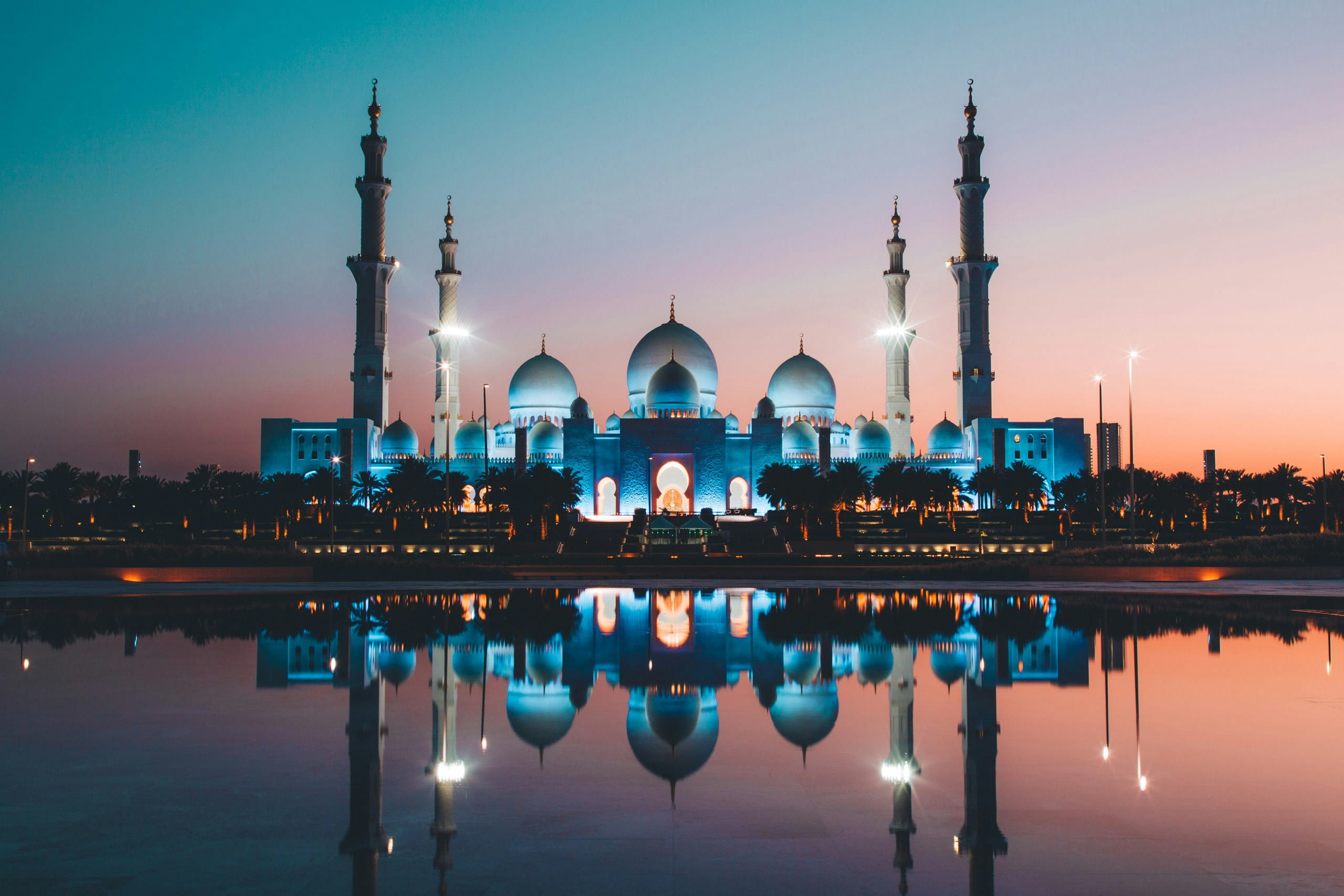
The UAE capital, Abu Dhabi, has secured its status as a promising property market in the Middle East in 2026. It's confidently competing with Dubai in terms of housing price growth, the volume of foreign investment, and the scale of new projects. The main driver of growth is the government's economic diversification strategy, which places emphasis on the financial sector, tourism development, cultural infrastructure, and technology.
Which Abu Dhabi districts are driving market growth?
Foreign buyers are currently interested in three promising island districts, each with its own investment specialization:
- Yas Island. This area is home to a concentration of entertainment and tourism infrastructure, driving steady, high demand for short-term apartment rentals.
- Saadiyat Island. A premium location with beachfront residences, museums, and exclusive properties, but limited new construction. Buyer demand is driven by rising property values and the opportunity to preserve capital.
- Al Reem Island. A developing district of the capital, thanks to active construction of new residential complexes and the expansion of the ADGM financial zone. The island is in demand among investors and tenants looking for stable rental income.
Government initiatives helping stimulate foreign investment
In Abu Dhabi, property market growth is largely driven by favorable government policy. Conditions have been created that make buying property simple, transparent, and attractive for foreigners.
Key growth factors:
- flexible tax policy and a transparent system for registering property transactions;
- an expansion of Freehold zones, where foreigners can choose and buy property under full ownership;
- large-scale investment in cultural, tourism, and transport infrastructure;
- a lower initial entry threshold;
- state programs designed to attract international companies and businesses to the UAE, as well as skilled professionals offered well-paying jobs;
- active development of ADGM (the international financial center);
- strong potential for property value growth at the off-plan stage.
Taken together, these factors create favorable ground for attracting foreign investors to relocate to the UAE and invest in the country's economy.
Entry threshold compared to Dubai
Affordable property prices in Abu Dhabi are a key advantage. You can buy an apartment in Abu Dhabi in a modern residential complex starting from 14,000 AED per sqm (roughly from $3,800), whereas in Dubai prices start from 18,000 AED and up for the premium segment. The average ROI in new projects is 7–9% annually, which is more favorable than in comparable Dubai projects.
Moderate prices and large-scale infrastructure projects make buying apartments in Abu Dhabi more attractive for investors who prioritize capital growth and stability.
Summary comparison of key indicators in 2026
Given the country's economic stability, the investment appeal of Dubai and Abu Dhabi differ in certain respects. Dubai remains a popular international property hub with high liquidity and a favored destination for short-term rentals. Meanwhile, Abu Dhabi offers an accessible entry threshold and strong capital growth thanks to government initiatives.
Comparing the investment appeal of the two emirates in 2026:
| Comparison criteria | Dubai | Abu Dhabi |
| Average ROI | The average annual long-term return on residential property in Dubai is 6–8% per year (the figure depends on the property class and chosen district).
Business Bay, Dubai Hills Estate, and Dubai Creek Harbour continue to show strong returns, while the premium districts of Dubai Marina, Dubai Islands, and Rashid Yachts & Marina are more focused on capital appreciation. According to the Knight Frank Dubai Residential Market Review (Q1 2026), the Dubai market has begun shifting from active price growth to a more balanced development phase. However, the city's status as a global business hub, its large number of international companies, and migration inflows help sustain high rental demand. |
For Abu Dhabi, average long-term rental returns are estimated at 7–9%. This is especially relevant for projects on Yas Island, Al Reem Island, and select areas of Saadiyat Island.
This higher figure compared to Dubai is linked to the lower entry cost and growing demand among investors. Data from the Abu Dhabi Real Estate Centre (ADREC) shows that the main drivers of the Abu Dhabi market are foreign investments, with the number of deals also increasing thanks to government development programs. |
| Entry threshold in dollars | Higher compared to Abu Dhabi. For example, in JVC (Jumeirah Village Circle), the average return on investment is 8.7%, with an entry threshold of 650,000 AED (about $177,000). | More affordable in certain districts, with strong potential for capital growth. |
| Key growth drivers | Tourist demand on the city, especially during peak season. A major role in boosting investment appeal is played by international business activity and infrastructure development (the airport, modern transport interchanges, metro construction). | The capital attracts investors with its cultural heritage, ecotourism, and various government projects. |
Changes in legislation and visa programs
Foreign investors can still obtain a 10-year Golden Visa through property investment in 2026. The main condition is meeting the investment threshold: currently, this requires buying property worth at least 2,000,000 AED (about $545,000 at the exchange rate at the time of publication).
The program grants long-term residency status and the right to become a full owner of property in a Freehold zone. Completed properties, off-plan projects from approved developers, and mortgaged property are all eligible.
Program advantages:
- a 10-year visa with the right to renew;
- the applicant can obtain residency visas for their family;
- no requirement for continuous residence in the country;
- the investor has the right to work, live, and fully run a business in the UAE.
FAQ
Which is more profitable for investment in 2026: Dubai or Abu Dhabi?
There's no single clear answer. Dubai suits investors focused on high liquidity, a developed short-term rental market, and a wide selection of properties. Abu Dhabi appeals with its accessible entry threshold, strong potential for property value growth, and returns in new projects at the level of 7–9% annually.
What ROI can you get in Abu Dhabi?
In new residential projects, average returns are estimated at 7–9% annually: Yas Island, Al Reem Island, and select projects on Saadiyat Island are considered profitable.
What is the property yield in Dubai in 2026?
The average return from long-term rentals is 6–8% annually. Well-managed properties can bring in 8–11% per year.
Where is the entry threshold more affordable for buying property?
Abu Dhabi offers more affordable prices. Property prices start from around 14,000 AED per sqm, while comparable properties in Dubai start from around 18,000 AED per sqm.
What is off-plan, and is it worth investing in such projects?
Off-plan means buying property still under construction, directly from the developer. This format allows you to acquire a property at a lower price, take advantage of interest-free installment plans, and gain a potential value increase of 20–35% by the time construction is complete.
In 2026, Dubai and Abu Dhabi remain attractive investment destinations for buying property, though each emirate suits different investment strategies. Dubai is a good fit for those who value high liquidity, an active rental market, and a wide range of properties. Abu Dhabi offers an accessible entry threshold, strong capital growth potential, and competitive returns. The right choice depends on your desired budget, investment goals, and investment horizon. Before buying property, it's worth analyzing the project, its location, and the district's development prospects to make the most of what the UAE market has to offer.